Door-to-Door vs. Terminal-to-Terminal Car Shipping in Seattle
Seattle Auto Shipping Editorial Team
February 15, 2026 · 11 min read
Our team of auto transport experts has over 15 years of combined experience in the vehicle shipping industry. We provide accurate, up-to-date information to help you make informed shipping decisions.
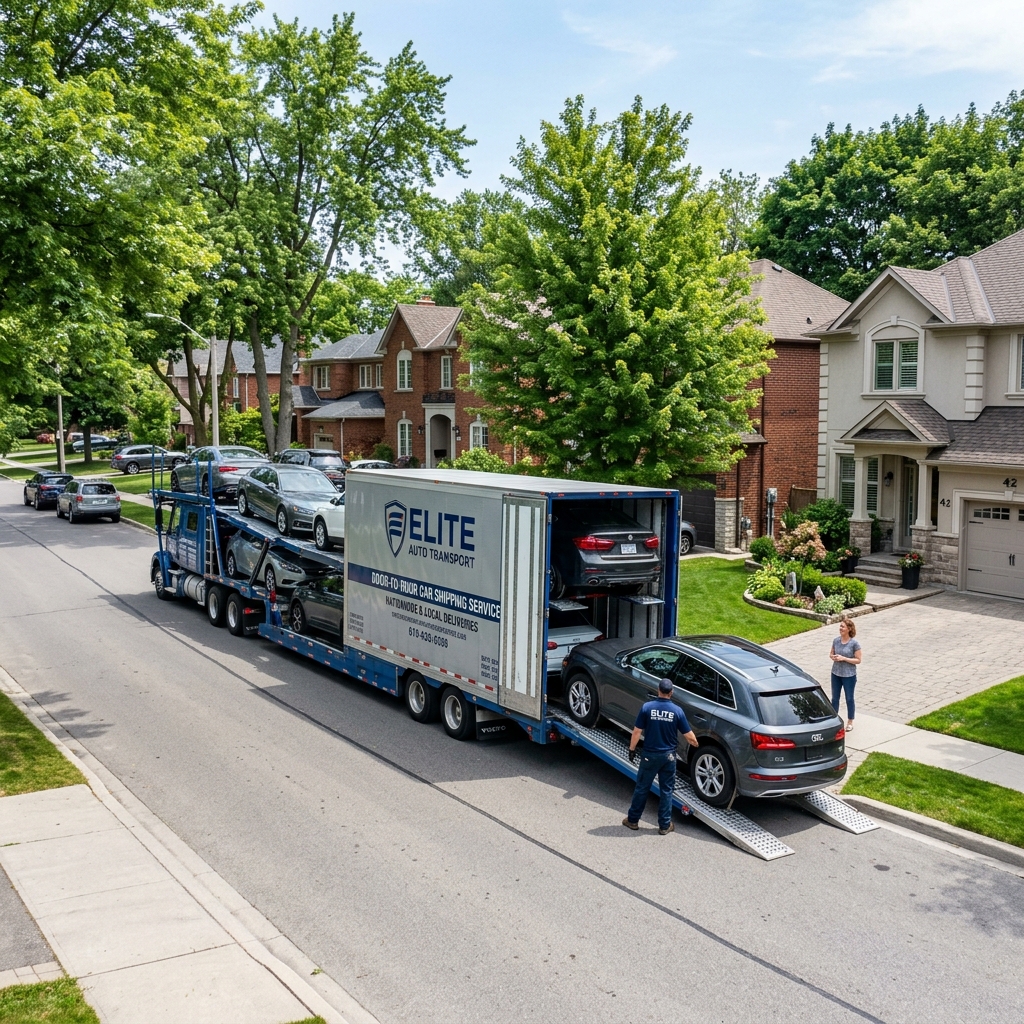
When arranging vehicle transport from the Puget Sound region, you must choose between two primary delivery methods: door-to-door car shipping in Seattle and terminal-to-terminal car shipping. Each method offers distinct operational workflows, pricing structures, and convenience levels.
In the greater Seattle metropolitan area—where topography ranges from steep downtown hills to suburban cul-de-sacs—understanding how commercial carriers navigate local streets helps you select the most efficient and cost-effective option for your relocation.
Side-by-Side Comparison: Door-to-Door vs. Terminal Shipping
The table below outlines key operational differences between door-to-door and regional terminal transport:
| Comparison Factor | Door-to-Door Transport | Terminal-to-Terminal Transport |
|---|---|---|
| Pickup & Delivery Location | Directly at your residence or nearest safe staging area | Regional freight depot (e.g., Kent, Auburn, or Tacoma yards) |
| Customer Travel Required | None (Driver comes to you) | Must arrange transportation to/from industrial terminals |
| Overall Transit Speed | Faster (Direct carrier routing) | Slower (Subject to terminal holding and consolidation) |
| Storage Fee Exposure | Zero storage fees | Daily storage charges apply if held beyond 48 hours ($15–$35/day) |
| Inspection Accountability | Conducted directly between you and the transport driver | Conducted by third-party yard attendants across multiple stages |
How Door-to-Door Auto Transport Works in Seattle
Door-to-door transport is the standard for over 95% of residential car shipments. When you book a door-to-door auto transport service, the carrier comes directly to your residential or business address to load the vehicle.
Navigating Seattle Urban Topography & Narrow Streets
Commercial auto transport haulers measure up to 80 feet in length and weigh up to 80,000 pounds when loaded. In historic or dense Seattle neighborhoods—including Queen Anne, Capitol Hill, Ballard, Magnolia, and West Seattle—low-hanging tree branches, steep grades, tight street corners, and parked cars can prevent big rigs from pulling up directly to your curb.
When street access is limited, professional drivers work proactively with you to coordinate a convenient staging point just minutes away, such as a wide retail parking lot (e.g., Northgate, Southcenter, or Bellevue park-and-rides) or a broad commercial arterial road. This ensures safe vehicle loading without risking residential property damage or towing citations.
The Realities of Terminal-to-Terminal Shipping
In terminal shipping, vehicles are dropped off at regional industrial depots and held until a carrier with matching route space arrives.
- Inconvenient Logistics: Puget Sound automotive freight terminals are generally located in heavy industrial zones in south King County (Kent, Auburn) or the Port of Tacoma, requiring lengthy drives and expensive ride-shares.
- Transit Delays: Because cars wait for consolidation at both origin and destination yards, total delivery timelines are typically 3 to 7 days longer than direct Seattle vehicle shipping transit times.
- Unexpected Storage Charges: Most terminals only provide 24 to 48 hours of free storage. If your flight is delayed or you cannot retrieve the car immediately, storage fees accumulate quickly.
Choosing the Right Solution for Your Relocation
For nearly all individual vehicle owners, families, and corporate transferees, door-to-door auto transport delivers superior value, direct inspection clarity, and peace of mind. Partnering with experienced, licensed drivers through choosing a reputable Seattle auto transport company ensures that your vehicle is handled with care from doorstep to doorstep.
Frequently Asked Questions
Why is door-to-door car shipping the most popular method in Seattle?
Door-to-door transport eliminates the need to travel to distant industrial freight depots (such as Kent, Auburn, or Tacoma), prevents daily terminal storage fees, and allows you to conduct the vehicle inspection directly with the carrier driver at pickup and delivery.
What happens if a large car hauler cannot fit on my residential Seattle street?
Large 75-to-80-foot multi-car haulers cannot navigate steep or narrow streets in hilly Seattle neighborhoods like Queen Anne, Capitol Hill, or Magnolia. In these cases, the driver coordinates meeting you at a nearby accessible commercial parking lot or broad arterial road for safe loading.
Is terminal-to-terminal car shipping actually cheaper in Seattle?
While terminal shipping may occasionally appear slightly lower on initial base quotes, depot handling fees and daily storage charges ($15 to $35/day) often make terminal transport equal to or more expensive than door-to-door service.
Can someone else hand over or receive my vehicle if I cannot be present?
Yes. You can appoint an authorized representative (family member, friend, neighbor, or colleague aged 18+) to conduct the inspection, sign the Bill of Lading, and hand over the keys on your behalf.
How does transit speed compare between door-to-door and terminal shipping?
Door-to-door shipping is generally several days faster because the carrier drives directly from origin to destination without waiting for depot consolidation or intermediate yard transfers.
Ready to Ship Your Vehicle?
Get a free, no-obligation auto transport quote from trusted carriers today.
Get a Free Quote