How to Choose the Best Auto Shipping Company in Seattle
Seattle Auto Shipping Editorial Team
February 20, 2026 · 11 min read
Our team of auto transport experts has over 15 years of combined experience in the vehicle shipping industry. We provide accurate, up-to-date information to help you make informed shipping decisions.
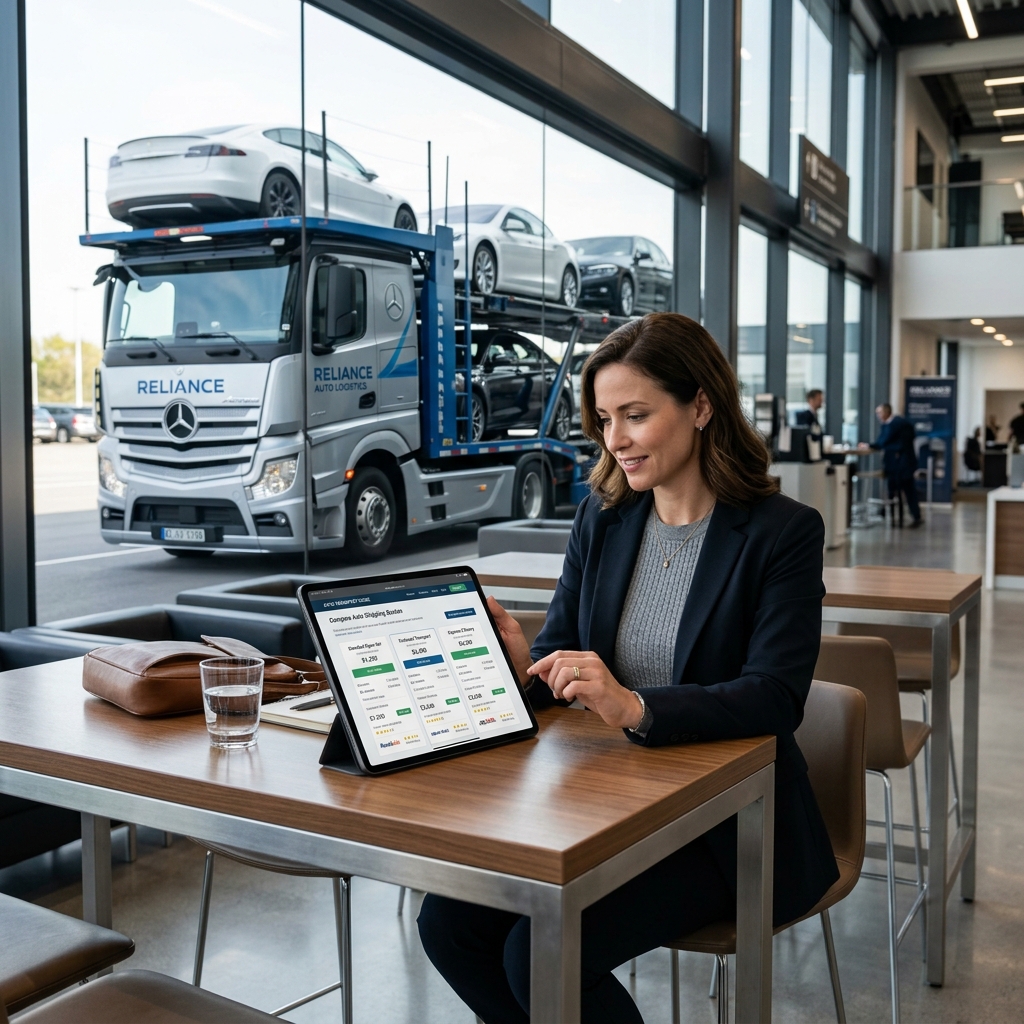
Choosing the right auto transport provider can mean the difference between an effortless, on-time vehicle delivery and an agonizing logistical ordeal. For vehicle owners in Seattle, Bellevue, Tacoma, and the greater Puget Sound region, selecting a reputable transport partner requires more than searching for the cheapest price online.
Because auto shipping involves valuable assets and long-distance interstates, understanding how the industry operates—how licensing works, how carriers are vetted, and what local Pacific Northwest factors come into play—is essential. This comprehensive guide walks you through the proven criteria for selecting a trustworthy auto shipping company in Seattle.
1. Verify Active FMCSA Licensing and USDOT / MC Credentials
By federal law, any company arranging or performing interstate vehicle transportation must be licensed by the Federal Motor Carrier Safety Administration (FMCSA), a division of the U.S. Department of Transportation (USDOT).
For Seattle-area vehicle owners, this verification is especially critical because the vast majority of shipments out of the Puget Sound region involve long-haul interstate corridors heading down the West Coast or across the country. Interstate carriers frequently cross state ports of entry and highway weigh stations where active operating authority and safety compliance are strictly inspected.
Before booking, request the company's USDOT and MC (Motor Carrier) numbers. You can verify these directly on the official FMCSA Safety and Fitness Electronic Records (SAFER) system at safer.fmcsa.dot.gov. Verify the following:
- Operating Authority Status: Ensure the status is listed as "ACTIVE" and authorized for property/passenger transport.
- Safety Rating: Check for satisfactory safety inspection records and hours-of-service compliance.
- BIPD & Cargo Insurance Filings: Ensure active public liability and cargo insurance filings are registered on file.
2. Review Carrier Cargo Insurance Limits
Never assume all car shipping companies offer identical insurance protection. By law, commercial haulers must carry cargo insurance that protects vehicles in transit against collision, fire, overturning, or equipment failure.
Vehicles shipped from western Washington often travel through demanding route conditions—including wet coastal weather, seasonal mountain passes like Snoqualmie Pass, or gravel-prone highway stretches. Verifying that a carrier's cargo insurance actively covers transit hazards without hidden customer deductibles ensures your vehicle is protected across diverse regional terrains.
When evaluating prospective transporters, ask for a Certificate of Insurance (COI) and review the exact policy terms. For standard commuter sedans and SUVs, a carrier should maintain at least $100,000 to $250,000 in cargo coverage. For luxury, antique, or collector models, verify limits exceeding $500,000. For an in-depth breakdown of carrier liabilities and deductible rules, read our comprehensive guide on carrier cargo insurance coverage in Washington.
3. Assess Broker vs. Carrier Capabilities for Seattle Routes
Understanding who you are doing business with is vital for setting expectations:
| Entity Type | Primary Role | Pros for Seattle Shippers |
|---|---|---|
| Licensed Auto Broker | Matches shippers with vetted commercial carriers nationwide | Access to hundreds of daily routes out of Puget Sound; backup carrier re-assignment if delays occur. |
| Direct Carrier | Operates physical haulers and employs driving crews | Direct contact with rig owner; ideal when schedules perfectly match single fixed truck lanes. |
For most individual shippers moving vehicles out of the Pacific Northwest, an experienced broker with strong carrier relationships offers the highest schedule flexibility and competitive pricing.
4. Evaluate Price Quotes and Avoid Lowball Scams
One of the most common pitfalls in auto transport is selecting a company based solely on the lowest price quote. Disreputable brokers frequently quote an artificially low estimate to collect an upfront booking deposit, only to demand hundreds of dollars more days later when no legitimate carrier will accept the low freight rate.
In the Seattle market, geographic distance in the northwest corner of the country means baseline carrier fuel and transit costs are distinct from central freight hubs. When an estimate comes in significantly below prevailing Puget Sound corridor averages, it usually signals an unfulfillable rate rather than a genuine bargain. Protect yourself by gathering three to five estimates across licensed companies to understand the realistic market median. Learn what each line item represents in our detailed guide on evaluating itemized auto transport quotes.
5. Confirm Local Pacific Northwest Logistics & Urban Handling
Shipping a vehicle in or out of the Seattle area involves regional geography that shippers should actively discuss with prospective transport coordinators. Reputable providers typically account for local factors such as:
- Urban Access and Neighborhood Topography: Large multi-car haulers may face access challenges on steep or narrow residential streets in neighborhoods like Queen Anne, Magnolia, or Capitol Hill. Shippers should ask how the carrier plans to coordinate accessible pickup points if direct street access is restricted.
- Puget Sound Ferry & Peninsula Routes: For pickups involving Bainbridge Island, Bremerton, or the Olympic Peninsula, confirm how the transporter handles ferry scheduling and transit coordination.
- Cascade Mountain Pass Considerations: Eastbound routes over Snoqualmie Pass (I-90) or Stevens Pass encounter seasonal weather advisories and chain controls that experienced carriers plan around to avoid transit delays.
When coordinating pickup, verify whether the company provides comprehensive door-to-door vehicle transport services and communicates proactively about practical meeting spots when neighborhood access requires flexibility.
6. Essential Checklist for Seattle Vehicle Shippers
Before booking your vehicle relocation out of the Puget Sound area, use this checklist to ensure your carrier is fully vetted for Pacific Northwest routes:
- Active USDOT / MC Authority: Verified on the FMCSA SAFER database for legal interstate transport out of Washington.
- Sufficient Cargo Insurance: Minimum $100,000 policy with zero customer deductible, suitable for regional highway conditions.
- No Upfront Full Payments: Professional brokers charge a dispatch deposit only after a verified carrier is officially assigned to your route.
- Clear Staging & Cancellation Terms: Written contract detailing flexible pickup arrangements for Seattle-area streets and transparent cancellation policies.
- Verified Customer Track Record: Authentic reviews on independent platforms confirming reliable communication and punctual Puget Sound departures.
Frequently Asked Questions
How do I verify if a Seattle auto shipping company is legitimate?
Check their active USDOT and MC (Motor Carrier) numbers on the FMCSA SAFER database (safer.fmcsa.dot.gov). Ensure their operating authority is active, their commercial insurance filings are current, and they possess a verifiable physical business presence.
What is the difference between an auto transport broker and a carrier in Seattle?
Carriers physically own and operate the transport trucks that haul vehicles. Brokers coordinate logistics, vetting, insurance verification, and scheduling across vast regional and nationwide carrier networks. Both models are standard, and reputable brokers give Seattle shippers access to hundreds of daily routes that single-truck carriers cannot match.
How can I avoid car shipping scams in the Seattle area?
Avoid companies offering prices 30% to 50% below prevailing market averages, those demanding non-refundable cash deposits via wire transfer before scheduling a driver, or companies unable to provide written contract terms and Bill of Lading documentation.
What level of cargo insurance should a reputable carrier carry?
Legitimate open auto carriers maintain at least $100,000 to $250,000 in commercial cargo insurance, while enclosed carriers transporting luxury or exotic vehicles should carry $250,000 to $1,000,000+ in coverage with zero customer deductible on approved claims.
Why does local Pacific Northwest experience matter when choosing a transporter?
The Pacific Northwest has distinct routing challenges—including Cascade mountain pass winter regulations (I-90 chains), ferry routes across Puget Sound, and tight Seattle hillside topography. Experienced transporters know how to plan around these factors to avoid delays.
Ready to Ship Your Vehicle?
Get a free, no-obligation auto transport quote from trusted carriers today.
Get a Free Quote