Open vs. Enclosed Auto Transport in Seattle
Seattle Auto Shipping Editorial Team
February 25, 2026 · 12 min read
Our team of auto transport experts has over 15 years of combined experience in the vehicle shipping industry. We provide accurate, up-to-date information to help you make informed shipping decisions.
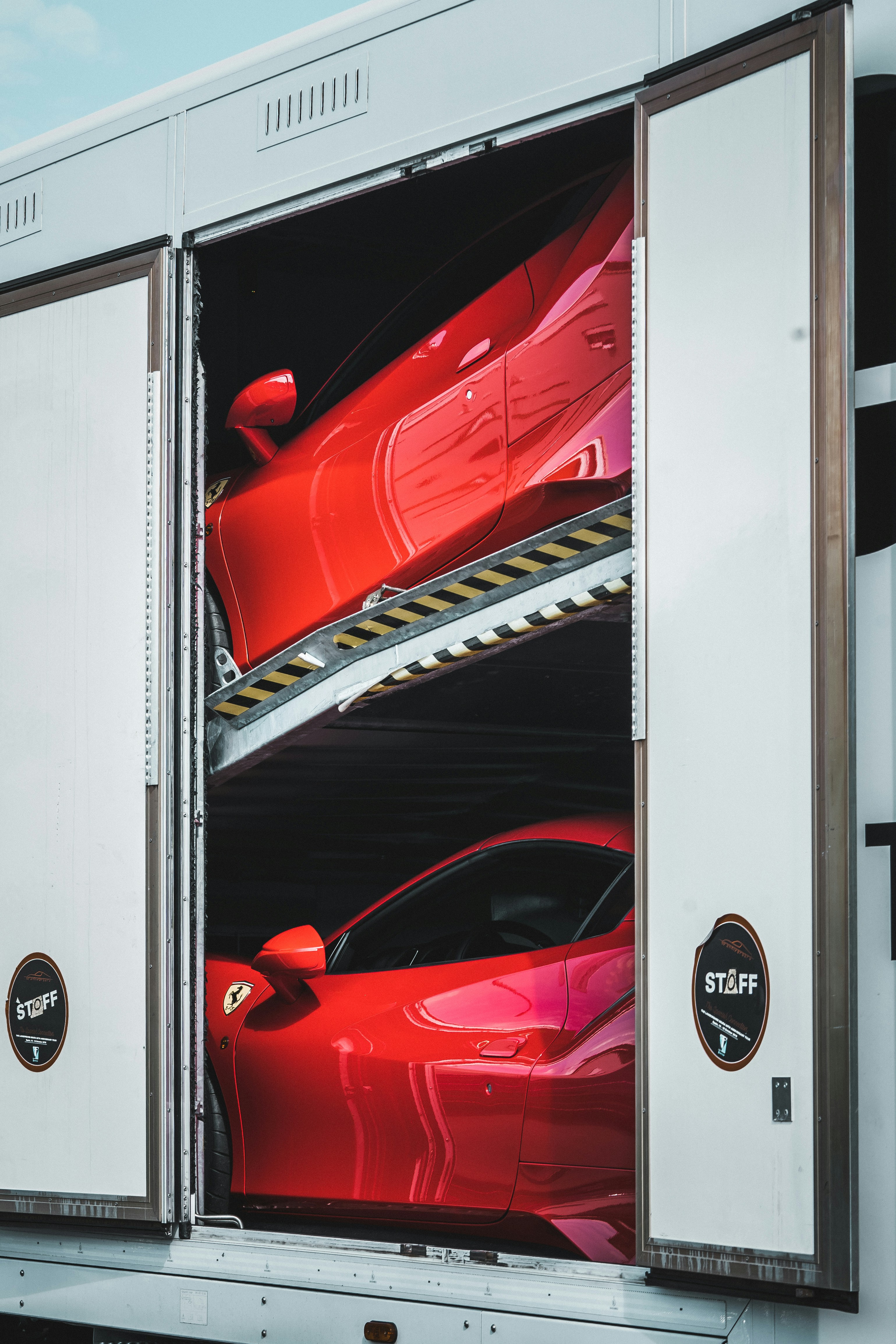
When coordinating auto shipping from the Seattle metropolitan area, choosing between open vs. enclosed auto transport in Seattle is one of the most important decisions you will make. Both transport methods are safe, licensed, and widely utilized, but they are designed for different vehicle valuations, protection priorities, and budget considerations.
Because vehicles departing the Puget Sound region frequently navigate wet coastal weather, seasonal mountain snow on Snoqualmie Pass (I-90), or long interstate corridors, understanding how each trailer type operates helps you select the ideal method for your car.
Comprehensive Feature Comparison: Open vs. Enclosed Carriers
The table below provides a detailed structural comparison between standard open multi-vehicle trailers and dedicated enclosed carriers:
| Comparison Factor | Open Carrier Transport | Enclosed Carrier Transport |
|---|---|---|
| Market Share | ~85% – 90% of all vehicle transport | ~10% – 15% (Specialty freight) |
| Trailer Capacity | 8 to 10 vehicles across two decks | 2 to 6 vehicles inside covered box |
| Pricing Level | Baseline / Most economical | 40% to 60% higher than open rates |
| Environmental Protection | Exposed to highway weather and road dirt | 100% shielded from weather, gravel, and salt |
| Loading Mechanism | Standard angled drive-on ramps | Horizontal hydraulic liftgates / race ramps |
| Standard Cargo Insurance | $100,000 – $250,000 per trailer | $250,000 – $1,000,000+ per trailer |
| Dispatch Availability | High (Daily departures across I-5 & I-90) | Moderate (Advance booking recommended) |
Detailed Look: Open Carrier Auto Transport
Open car shipping is the backbone of the domestic auto transport industry. Utilizing double-decker steel trailers, choosing open auto transport services in Seattle offers distinct benefits:
- Unmatched Cost Efficiency: High trailer capacity lowers per-vehicle shipping costs, delivering the best value for standard sedans, family SUVs, and daily commuter vehicles.
- Rapid Carrier Dispatch: Open haulers depart King, Pierce, and Snohomish counties daily along all major interstate corridors, minimizing waiting periods.
- Full Mechanical Safety: Vehicles are secured with heavy-duty wheel straps directly over tires, ensuring safe transit.
Detailed Look: Enclosed Auto Transport
Enclosed auto transport provides total containment and specialized handling. If you want to analyze route pricing specifics, explore our detailed open vs enclosed cost comparison. Enclosed transport is engineered for specific use cases:
- Total Weather and Debris Shielding: Hard-sided trailers prevent rain, winter snow, road salt spray, and gravel chips from contacting the vehicle during transit across mountain passes.
- Safe Low-Clearance Loading: Hydraulic liftgates raise supercars, lowered customs, and vintage sports cars horizontally off the ground, eliminating ramp scrape risks.
- High-Value Cargo Policies: Elevated insurance limits ensure collector vehicles are covered to full appraised market values. Learn more about specialized white-glove transport in our guide to enclosed transport for classic and exotic models.
How to Decide Between Open and Enclosed Transport
To make the best choice, assess your vehicle's market value, ground clearance, and your personal tolerance for standard road exposure:
- Select Open Transport if: The car is a daily driver, standard sedan, truck, or family SUV valued under $50,000 to $75,000, and you want the most cost-effective and fastest route dispatch.
- Select Enclosed Transport if: The car is a luxury model, rare antique, exotic supercar, has custom high-end paint, ground clearance below 5 inches, or you are moving mid-winter through severe mountain pass de-icing zones.
Frequently Asked Questions
What is the primary difference between open and enclosed auto transport in Seattle?
Open transport ships vehicles on two-level exposed multi-car trailers holding 8 to 10 vehicles. Enclosed transport ships vehicles inside a fully covered hard-sided or soft-sided trailer carrying 2 to 6 vehicles, providing total protection from weather, road dust, gravel, and mountain pass de-icing chemicals.
Is open carrier auto transport safe for standard vehicles in the Pacific Northwest?
Yes. Open transport accounts for over 85% of all commercial vehicle shipping in the United States. It delivers the same mechanical safety as enclosed shipping; the vehicle simply experiences standard highway weather exposure similar to normal driving.
How do commercial insurance limits differ between open and enclosed carriers?
Open carriers typically carry $100,000 to $250,000 in commercial cargo insurance, while enclosed carriers maintain policies between $250,000 and $1,000,000+ per trailer load to protect high-value exotic and collector vehicles.
Which transport type offers faster carrier availability in Seattle?
Open carriers offer significantly faster dispatch windows because the majority of freight haulers running daily out of King, Pierce, and Snohomish counties operate open trailers. Enclosed carriers represent a smaller fleet segment and should be booked 2 to 3 weeks ahead.
Do low-clearance sports cars require enclosed transport?
Yes. Enclosed trailers typically feature horizontal hydraulic liftgates that lift vehicles flat off the ground, eliminating the risk of scraping front splitters or undercarriage panels on steep open trailer ramps.
Ready to Ship Your Vehicle?
Get a free, no-obligation auto transport quote from trusted carriers today.
Get a Free Quote