
Best Time of Year to Ship a Car from Seattle
Seattle Auto Shipping Editorial Team
January 20, 2026 · 11 min read
Our team of auto transport experts has over 15 years of combined experience in the vehicle shipping industry. We provide accurate, up-to-date information to help you make informed shipping decisions.
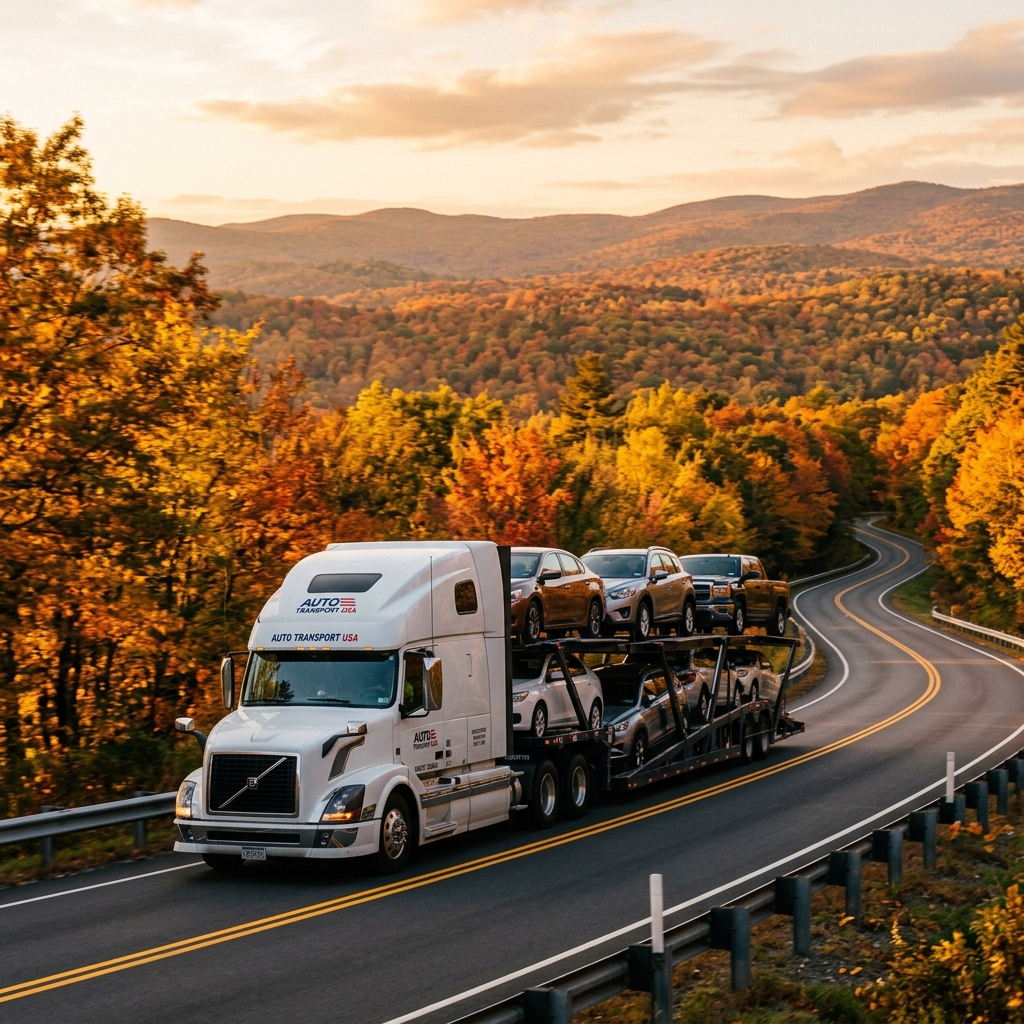
The timing of your auto transport significantly influences what you pay, how quickly a carrier is assigned, and how predictable your delivery schedule will be. Because Seattle sits in the Pacific Northwest corner of the country, regional seasonal factors—such as Cascade mountain pass winter storms and summer relocation surges—play a major role in vehicle shipping logistics.
Understanding the best time of year to ship a car from Seattle allows you to optimize your budget, avoid seasonal rate surges, and choose the most reliable transport method for your schedule.
Month-by-Month Seattle Auto Transport Demand & Rate Overview
Auto transport pricing follows national migration cycles and regional weather patterns. The table below outlines seasonal demand, rate expectations, and logistical conditions throughout the year in the Seattle metro area:
| Season / Months | Demand Level | Pricing Level | Key Logistical Considerations |
|---|---|---|---|
| Winter (Jan – Feb) | Lowest | Lowest Rates (-10% to -15%) | Snow on Snoqualmie Pass (I-90); Siskiyou chain controls; flexible transit timelines needed. |
| Early Spring (Mar – Apr) | Moderate | Baseline / Average | Improving pass conditions; balanced carrier availability; reliable dispatch times. |
| Late Spring (May) | Moderate-High | Average (+5%) | Increasing corporate relocations; clear interstate roads; fast transit execution. |
| Peak Summer (Jun – Aug) | Peak High | Highest Rates (+15% to +25%) | Tight carrier capacity; high relocation volume; book 3–4 weeks in advance. |
| Early Fall (Sep – Oct) | Moderate | Baseline / Average | Optimal 'sweet spot': pleasant weather, stable capacity, reliable transit schedules. |
| Late Fall (Nov – Dec) | Low-Moderate | Below Average | Holiday volume spikes around Thanksgiving/Christmas; early mountain snows. |
Analyzing the Four Shipping Seasons in the Pacific Northwest
1. Summer (June to August): Peak Demand and Maximum Capacity
Summer is universally the busiest period for auto transport across Washington state. With families moving between school years, military PCS transfers at Joint Base Lewis-McChord (JBLM), and tech industry relocations, trailer space is at a premium. While summer offers dry roads and predictable route transit times from Seattle, expect to pay top-tier rates unless you book early.
2. Autumn (September to November): The Optimal "Sweet Spot"
September and October represent the ideal window for shipping a vehicle from Seattle. Relocation volume normalizes, carrier capacity rebalances, and rates return to steady baseline figures. Road conditions across the Cascades and Rocky Mountains remain mostly clear, making autumn the most predictable and cost-effective season.
3. Winter (December to February): Lowest Rates with Weather Caution
Winter delivers the lowest baseline prices of the year as carriers compete for lighter freight volume. However, winter auto transport requires flexibility. Snow and ice across Snoqualmie Pass (I-90) or the Siskiyou Summit on I-5 can prompt mandatory chain installations or temporary safety holds by state highway patrols.
For classic, exotic, or collector vehicles moving in winter, utilizing specialized enclosed auto transport services protects fine finishes against road magnesium chloride, de-icing gravel, and winter slush.
4. Spring (March to May): Rebounding Activity and Stable Rates
Spring brings increasing carrier activity as nationwide freight flows pick up. Snow melts from lower mountain passes, daylight hours extend, and dispatch times become faster. Pricing remains reasonable through April before summer demand begins building in late May.
Strategies to Save on Seattle Auto Transport Year-Round
- Target Shoulder Seasons: If your relocation timeline is flexible, scheduling your shipment in April, May, September, or October secures great rates and fast transit.
- Avoid Holiday Deadlines: The weeks immediately surrounding Thanksgiving, Christmas, and New Year's see reduced carrier driver availability, leading to temporary holiday spot rate spikes.
- Compare Trailer Formats: Evaluate your vehicle's protection requirements by comparing open versus enclosed transport costs before booking.
- Maintain a Multi-Day Window: Allowing your carrier a 3-to-5 day pickup window helps avoid expedited booking surcharges regardless of the season.
Frequently Asked Questions
What is the cheapest time of year to ship a car from Seattle?
Late January, February, and late autumn (late October to mid-November) consistently feature the lowest auto transport rates of the year. During these post-holiday periods, carrier demand dips, leading drivers to offer competitive pricing to fill trailer space.
When is car shipping the most expensive in Seattle?
The summer peak season from June through August is the most expensive time to ship a car. High corporate relocation activity, military PCS moves, and summer vacations drive peak carrier demand, pushing rates 15% to 25% higher than annual averages.
How does winter mountain pass weather affect Seattle vehicle shipping?
Carriers traveling east over Snoqualmie Pass (I-90) or south over the Siskiyou Mountains on I-5 encounter winter snow and ice. While carriers operate year-round, mandatory tire chaining and occasional severe storm pass closures can add 1 to 2 days to transit times.
Why are spring and early fall considered the ideal seasons to ship?
Spring (March to May) and early autumn (September to October) offer the best combination of moderate pricing, abundant carrier capacity, and favorable road conditions without severe winter weather or peak summer price spikes.
How far in advance should I book during peak summer in Seattle?
For June through August departures, it is recommended to book your auto transport 3 to 4 weeks in advance to secure your preferred pickup window and lock in stable rates before carrier capacity tightens.
Ready to Ship Your Vehicle?
Get a free, no-obligation auto transport quote from trusted carriers today.
Get a Free Quote