
Corporate Vehicle Relocation Guide for Seattle
Seattle Auto Shipping Editorial Team
March 18, 2026 · 11 min read
Our team of auto transport experts has over 15 years of combined experience in the vehicle shipping industry. We provide accurate, up-to-date information to help you make informed shipping decisions.
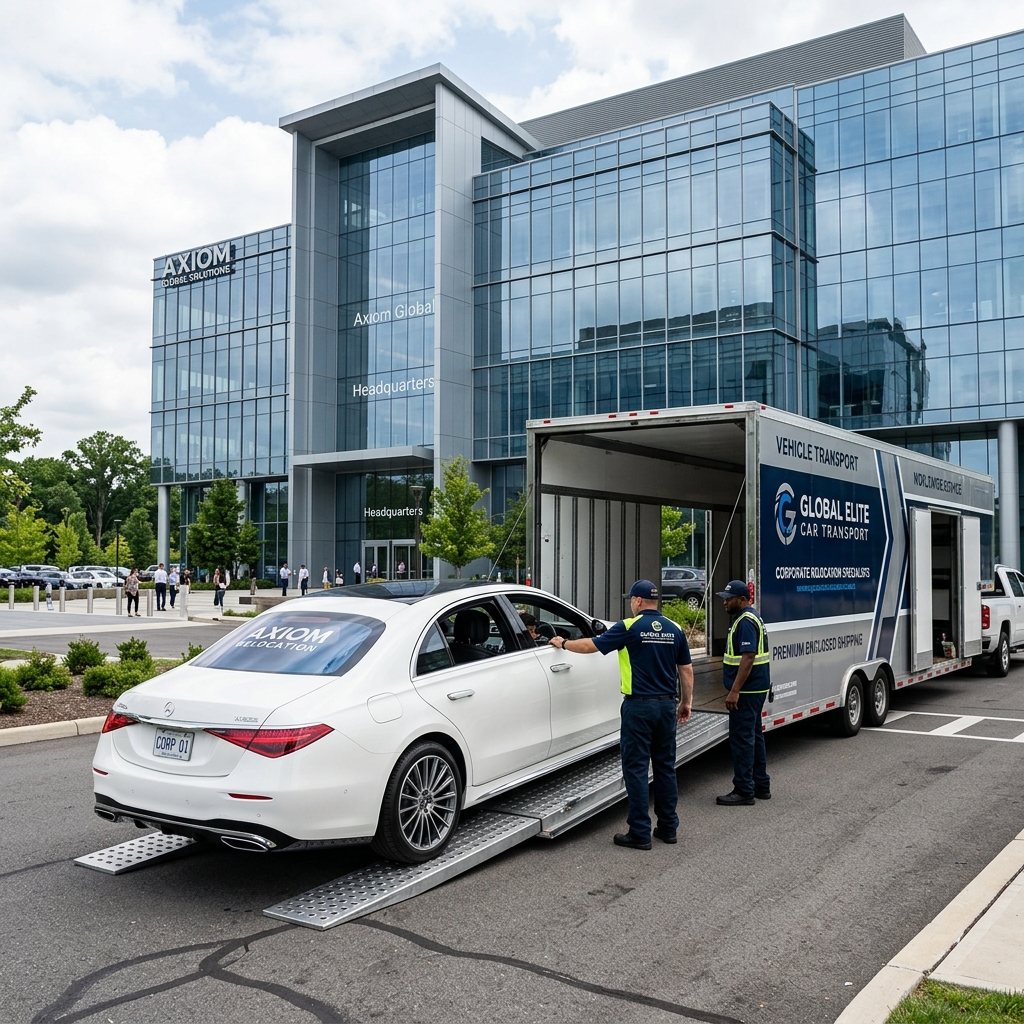
As one of the world's leading technology, aerospace, and biomedical hubs, the Seattle metropolitan area experiences substantial corporate talent migration year-round. From major tech campuses in South Lake Union, Downtown Seattle, Bellevue, and Redmond to industrial centers in Renton and Everett, seamless employee mobility is vital for organizational performance and employee satisfaction.
When managing executive transitions, onboarding engineering teams from out of state, or reallocating regional commercial assets, this corporate vehicle relocation guide for Seattle provides Human Resources leaders, Global Mobility managers, and corporate relocation coordinators with an actionable framework for planning and executing vehicle shipments.
Evaluating Corporate Auto Transport Program Types
Corporate vehicle relocation is rarely one-size-fits-all. Mobility teams must assess whether an upcoming transfer requires white-glove executive handling, volume consolidation for group hires, or structured commercial fleet dispatching:
| Program Type | Target Profile | Key Logistical Feature |
|---|---|---|
| Executive Transfer Services | C-suite leaders, senior directors, critical new hires | Dedicated single-point-of-contact coordination, enclosed transport options, and precise pickup/delivery scheduling. |
| Group Employee Moves | Engineering team relocations, office expansions | Centralized multi-vehicle dispatching, corridor volume optimization, and consolidated milestone reporting. |
| Commercial Fleet Reallocation | Sales fleets, service vans, regional operational assets | Multi-car carrier coordination with scheduled depot-to-office delivery and standardized condition reports. |
When deciding on program structure, mobility managers should weigh the seniority of the role against timeline urgency. For leadership roles where delay directly affects organizational roadmaps, dedicated scheduling and enclosed options minimize disruption. For larger cohort moves, grouping pickup windows within Puget Sound corridors creates significant freight efficiencies.
Common Challenges in Corporate Vehicle Relocation & How to Plan
Unlike general residential moves, corporate relocations involve strict corporate start dates, temporary corporate housing constraints, and multi-party communication. Understanding these common friction points helps mobility teams plan effectively:
1. Synchronizing Auto Transport with Real Estate and Start Dates
A frequent issue occurs when an employee's vehicle arrives before temporary housing is ready, or conversely, days after the employee has begun work in Seattle. Aligning vehicle transit times with flight schedules and lease dates requires calculating transit buffers—especially for coast-to-coast hauls or winter shipments that must cross mountain passes. For urgent executive start dates, utilizing expedited vehicle relocation services ensures narrow dispatch windows and minimized rental car expenses.
2. Direct Corporate Invoicing vs. Lump-Sum Reimbursements
Organizations typically handle relocation costs through either lump-sum stipends or direct billing:
- Lump-Sum Stipends: Give employees autonomy but often lead to unvetted lowball broker bookings, leaving transferring staff vulnerable to hidden fees or delayed deliveries during onboarding.
- Direct Corporate Billing: Protects employees by centralizing vetted carrier selection, standardizing insurance compliance, and consolidating billing on Net-30 terms directly with the enterprise or RMC.
3. Campus and Neighborhood Access in the Puget Sound
Dense tech corridors like South Lake Union and downtown Bellevue present staging challenges for 8-to-10 car commercial carriers. Mobility teams should instruct transferees on local staging requirements. Reviewing how staging works in urban vs. suburban neighborhoods in our guide to door-to-door vehicle delivery logistics helps employees set realistic expectations for pickup and delivery day.
Key Administrative Criteria When Evaluating Auto Transport Vendors
When procurement and mobility teams vet auto shipping providers for corporate programs, prioritize these core operational standards:
- Certificate of Insurance (COI) Customization: The provider must readily issue a Certificate of Insurance listing your corporation or Relocation Management Company (RMC) as a certificate holder, confirming active cargo coverage limits.
- Equipment Specialization for Executive Fleets: High-end luxury sedans, sports cars, and luxury electric vehicles common among tech executives require specialized equipment. Ensure the vendor offers enclosed auto transport for executive vehicles with hydraulic lift gates for low-clearance models.
- Dedicated Account Management & Tracking: A single coordinator who provides proactive milestone notifications reduces internal HR inquiries and gives transferring staff clear visibility throughout transit.
- Transparent Billing & Net Terms: Clear itemized invoicing without surprise fuel or accessorial surcharges ensures smooth audit trails for expense reconciliation.
Frequently Asked Questions
When should companies initiate vehicle relocation planning before an employee's move date?
For standard individual employee moves, initiating coordination 2 to 3 weeks prior to the target departure date provides adequate carrier scheduling flexibility. For group moves or critical executive transfers requiring guaranteed delivery dates, planning 4 to 6 weeks in advance allows logistics coordinators to secure dedicated capacity.
What are the main logistical challenges during group employee relocations?
Group moves often involve staggered move-out dates, varied origin and destination neighborhoods across the Puget Sound, and differing vehicle types (EVs, large SUVs). Centralizing coordination through a single auto transport partner prevents administrative bottlenecks and ensures volume-rate efficiency.
How does direct corporate billing compare to employee relocation stipends for auto transport?
Direct corporate invoicing (Net-30) eliminates out-of-pocket financial burden for transferring employees, ensures vetted carrier compliance, and streamlines tax reporting. Lump-sum stipends give employees flexibility but shift the risk of carrier vetting and unexpected transit delays onto the individual.
How do auto transport providers coordinate with Relocation Management Companies (RMCs)?
Professional auto transport partners integrate directly into RMC workflows by providing standard W-9 documentation, customized COIs naming the RMC or employer as certificate holder, and milestone tracking updates for corporate mobility dashboards.
When is enclosed auto transport recommended for executive relocations?
Enclosed transport is standard practice for high-value executive vehicles, exotic models, and luxury EVs (such as Porsche Taycan or Tesla Model S Plaid), protecting sensitive paint and electronics from road debris and weather across mountain passes.
Ready to Ship Your Vehicle?
Get a free, no-obligation auto transport quote from trusted carriers today.
Get a Free Quote