What Happens If Your Car Is Damaged During Transport in Seattle?
Seattle Auto Shipping Editorial Team
January 15, 2026 · 11 min read
Our team of auto transport experts has over 15 years of combined experience in the vehicle shipping industry. We provide accurate, up-to-date information to help you make informed shipping decisions.
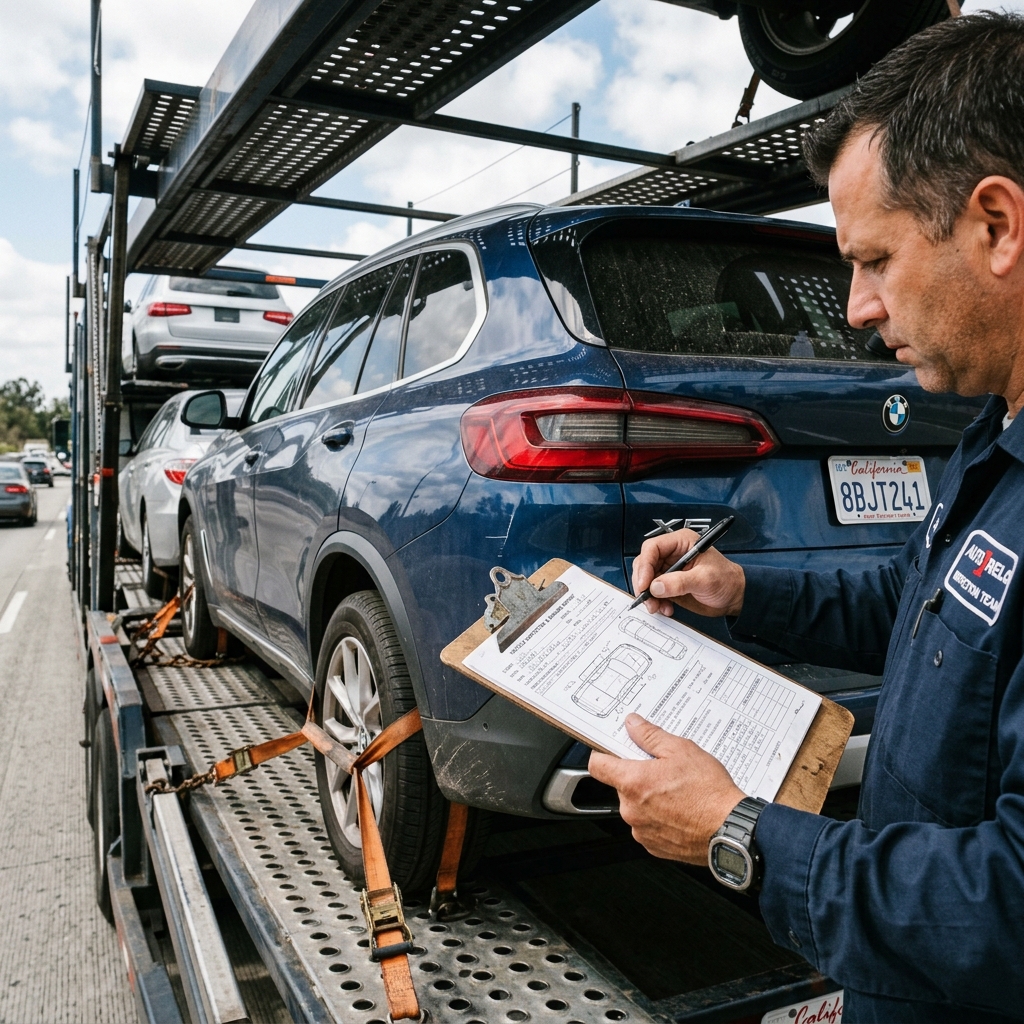
While vehicle damage occurs on fewer than 2% of professional auto shipments nationwide, knowing what happens if your car is damaged during transport in Seattle ensures your financial investment is fully protected. Understanding the precise inspection and claims protocol allows you to navigate the process swiftly and secure complete reimbursement for repairs.
In auto transport, the delivery inspection and the Bill of Lading (BOL) are the legal foundation of any insurance claim. By following a structured delivery walkaround and documenting discrepancies immediately, filing a carrier cargo claim is straightforward and manageable.
Phase 1: The Delivery Walkaround in Seattle
When your carrier arrives at your Seattle-area delivery address (or designated neighborhood staging plaza), never rush the final inspection. Even if the driver is on a tight schedule, you have a legal right to inspect your vehicle thoroughly.
In the Seattle area, this matters practically: winter deliveries between November and February often arrive in late afternoon when usable daylight is already fading — the Pacific Northwest's overcast skies can make damage harder to spot under dimming natural light than in sunnier climates. If your delivery is in a dense neighborhood like Capitol Hill or Queen Anne where street parking is the staging point, make sure you have a clear line of sight around the full vehicle before the driver departs. Suburban staging locations in Bellevue or Renton parking lots tend to offer better lighting conditions, but the same principle applies — take your time regardless of where the handoff happens.
1. Inspect in Good Daylight
If the carrier arrives after dark, park the vehicle under bright streetlights or use a powerful flashlight to inspect every exterior panel. Compare the vehicle's current condition directly against the photos you captured during your pre-transport vehicle inspection checklist.
2. Check Vulnerable Exterior Areas
Pay close attention to sections of the vehicle that encounter loading ramps and road exposure:
- Front Bumper & Air Dam: Inspect lower edges for ramp contact or steep incline scrapes.
- Roof and Pillars: Check upper clearance panels for overhead trailer deck contact.
- Side Mirrors and Door Edges: Look for contact scrapes from driver loading access.
- Glass and Windshield: Inspect for rock chips or highway debris impacts.
For vehicles shipped from Seattle on routes that cross the Cascades — particularly eastbound I-90 over Snoqualmie Pass — winter road conditions introduce an additional inspection consideration. Washington State uses de-icing sand and anti-icing treatments on mountain pass highways, and high-speed debris kicked up by other vehicles can reach undercarriage components and wheel wells in ways that aren't visible from bumper height. Even on the I-5 coastal corridor, sustained rain exposure throughout transit can accelerate surface contaminants settling into lower body panels. After a long-haul PNW-originating shipment, it's worth crouching down to inspect the undercarriage, wheel wells, and lower rocker panels — areas that standard walkarounds can easily miss.
Phase 2: Proper Notation on the Bill of Lading (BOL)
The Bill of Lading is both your receipt of delivery and the primary legal condition contract. If you spot any new damage not listed on the original pickup inspection:
- Write Specific Damage Notes: Clearly write descriptions directly on the delivery receipt (e.g., "3-inch scratch on passenger front fender" or "cracked lower front splitter"). Avoid vague statements like "damaged".
- Obtain Driver Acknowledgment & Signature: Ensure the carrier driver signs the Bill of Lading next to your notes and gives you a clear paper carbon copy or a digital PDF copy immediately.
- Take Timestamped Photos on Site: Capture close-up and wide-angle photos and videos of the damage while the transport hauler is still in the background.
Phase 3: Filing the Commercial Insurance Claim
All licensed carriers operating in Washington state are required to hold active commercial cargo coverage. Learn how policy limits operate in our guide to carrier cargo insurance coverage in Seattle.
Step-by-Step Insurance Claims Protocol:
- Notify Your Shipping Coordinator Within 24–48 Hours: Contact your transport manager and email your marked Bill of Lading along with high-resolution photos.
- Obtain Professional Repair Estimates: Secure two written repair estimates from licensed body shops or franchised dealership collision centers in the Seattle area.
- Formal Adjuster Review: The carrier's commercial insurance claims department compares the pickup Bill of Lading against delivery documentation and verifies the repair estimate.
- Claim Settlement & Repair Payment: Once approved, the insurance provider issues payment directly to you or the designated repair facility.
How to Prevent Damage and Protect Your Rights
The best way to avoid damage disputes is partnering exclusively with vetted Seattle auto shipping companies that maintain strict carrier safety compliance standards and 98%+ damage-free delivery records. Taking 10 minutes to properly photograph your vehicle before shipping provides airtight documentation that guarantees fair resolution.
Frequently Asked Questions
What should I do first if I notice vehicle damage upon delivery in Seattle?
Do not sign a clean Bill of Lading (BOL). Clearly write down every scratch, dent, or paint chip on the driver's delivery receipt, take high-resolution date-stamped photos while the truck is still present, and have the carrier driver sign acknowledging the noted defects.
What happens if I sign the delivery receipt without noting damage?
Signing the Bill of Lading without noting exceptions is legally considered an acknowledgment that the vehicle was received in good condition. While latent mechanical claims can sometimes be reviewed, body damage claims become extremely difficult for insurance adjusters to approve after a clean receipt is signed.
Who pays for repairs if the carrier damages my vehicle?
The carrier's commercial cargo insurance policy pays for approved repairs. The customer never pays a deductible on legitimate carrier cargo claims.
How long do I have to file an auto transport damage claim?
You should notify your transport coordinator within 24 to 48 hours of delivery. Formal claim paperwork and repair estimates from a certified repair facility should typically be submitted within 7 to 15 days.
Can I get an estimate from my own preferred body shop in the Seattle area?
Yes. Insurance adjusters accept written repair estimates from licensed, certified collision repair centers and dealership body shops in Seattle, Bellevue, Tacoma, or your local destination city.
Ready to Ship Your Vehicle?
Get a free, no-obligation auto transport quote from trusted carriers today.
Get a Free Quote